If you want a neighborhood with real history, daily convenience, and quick access to the outdoors, Ogden’s historic heart stands out. This part of the city gives you a different kind of lifestyle than a typical suburban setup, with older architecture, mixed housing, transit options, and an active downtown rhythm. If you are considering a move, planning a future purchase, or simply trying to understand what day-to-day life feels like here, this guide will help you picture it clearly. Let’s dive in.
What Defines Ogden’s Historic Heart
Ogden’s historic heart centers on downtown, especially 25th Street and Washington Boulevard. Historic 25th Street is a three-block commercial corridor and National Historic District, and it is known for having one of Utah’s most complete collections of turn-of-the-century commercial architecture.
This area is not only about preserved buildings. Ogden City ties downtown’s identity to its railroad-era roots and to a renewed mix of businesses, housing, and public gathering spaces that support everyday living today.
The city’s broader historic district map also includes Eccles and Jefferson. Together, these areas help create a downtown environment with a strong sense of place, where older buildings and newer investment work side by side.
Housing Options Near Downtown
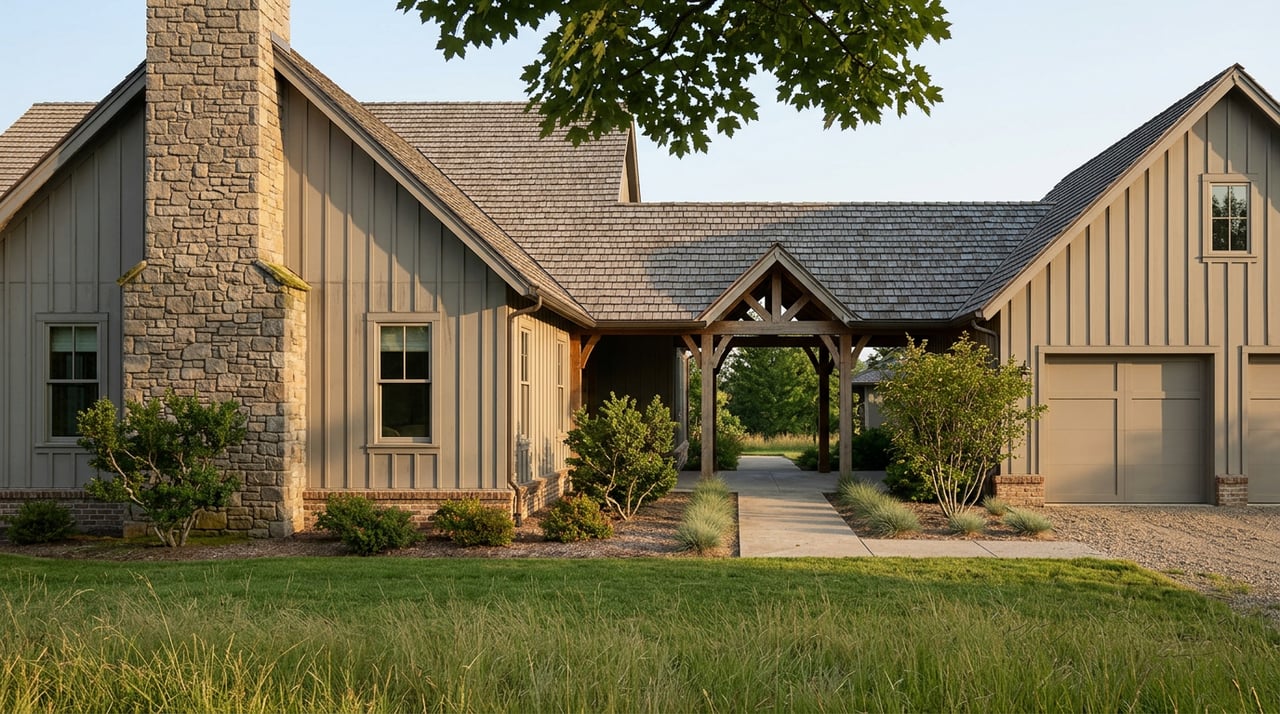
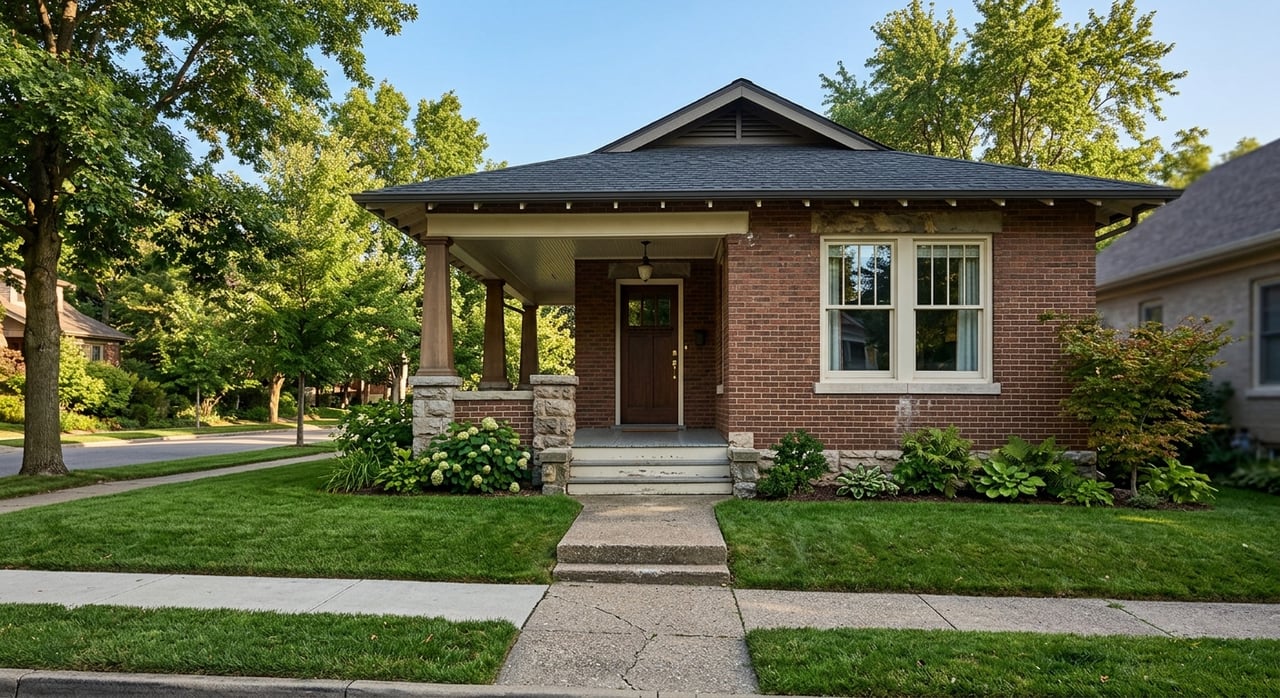
If you picture downtown living as only lofts or apartments, Ogden offers more variety than that. Downtown includes newer condos and townhomes, while nearby East Central features Victorian homes, bungalows, cottages, and newer historic-style homes.
That mix gives you options depending on your goals. You may be looking for a lower-maintenance property close to restaurants and events, or you may want a character-filled home with details that are harder to find in newer subdivisions.
Citywide, Ogden has an older housing stock than Weber County overall, with more than 44% of homes built before 1940. The occupied housing mix is also balanced, with about 60.2% owner-occupied and 39.8% renter-occupied homes, which supports a market where both renters and buyers are active.
Recent Census estimates place Ogden’s median gross rent at $1,216 and the median value of owner-occupied homes at $355,600. Those figures reflect a market that can appeal to both first-time buyers and people making a rental-to-ownership transition.
Best Fit for Urban-Style Living
The downtown plan allows upper-floor apartments, mixed-use buildings, townhomes, brownstones, and apartments in downtown zoning areas. In practical terms, that means the historic core is continuing to grow as an urban residential district, not just as a business center.
For many buyers, the appeal is character and convenience over lot size. If you want large yards and a more suburban feel, this area may not be the strongest fit. If you want a neighborhood with walkable destinations, housing variety, and a more connected daily routine, it may feel much more aligned.
Getting Around Day to Day
Transportation is one of the biggest reasons some buyers and renters are drawn to central Ogden. UTA’s FrontRunner connects Ogden to Provo along an 83-mile corridor with 15 stations, with weekday peak service every 30 minutes and off-peak and Saturday service every 60 minutes.
For local movement, the OGX electric bus rapid transit line runs from the FrontRunner Station through downtown to Weber State University and McKay-Dee Hospital every 10 to 15 minutes on weekdays. Local bus routes also serve Washington and Monroe Boulevards.
This setup creates more flexibility in your routine. You may still want a car, but you can have more options for commuting, errands, or meeting friends downtown than you would in a more auto-dependent area.
Walkability and Bike Access
Ogden describes downtown as walkable and full of architecture, dining, shopping, nightlife, and events. The city also highlights bike lanes, the Ogden River Parkway, and miles of off-road trails that add to the area’s everyday mobility.
Ogden’s mean travel time to work is 22.5 minutes. That puts it in a similar range to nearby cities like Layton at 22.9 minutes, while still offering a more transit-linked and downtown-oriented experience.
The lifestyle here is best described as car-light rather than fully car-free. Downtown planning still includes public parking structures and keeps parking part of the picture, just secondary to the buildings and pedestrian experience.
The Daily Rhythm of Downtown Ogden
One of the biggest differences between living in Ogden’s historic heart and living in a quieter subdivision is the rhythm of the week. Downtown has a steady pattern of events, foot traffic, and public activity that gives the area energy beyond standard business hours.
The city’s First Friday Art Stroll takes place on the first Friday of each month from 6 to 9 p.m. It is promoted as a free, year-round event with gallery openings, live music, and nightlife, which adds a recurring social anchor to downtown life.
Farmers Market Ogden brings another strong seasonal pattern to Historic 25th Street. The 2026 summer market is scheduled for Saturdays from May 23 through September 12, from 8 a.m. to 1 p.m., with more than 300 vendors, live performances, and family activities.
Union Station adds another layer to the area’s identity. The historic train station includes four museums and two galleries, with dining and shopping nearby, making it a regular part of the downtown experience for many residents and visitors.
Outdoor Access Close to Home
One of Ogden’s most practical lifestyle advantages is how close downtown sits to outdoor recreation. According to the city, downtown is about ten minutes from the East Bench trail system and about thirty minutes from Ogden Valley.
That gives you access to skiing, Pineview Reservoir, hiking, biking, climbing, and fishing without needing to live far from the city center. For many people, that balance is a major reason Ogden feels different from other urban areas along the Wasatch Front.
Within city limits, you also have access to the Ogden River trail, the Ogden Nature Center, a kayak park, golf courses, and city parks. If your ideal week includes both coffee on 25th Street and trail time soon after, this location can support that lifestyle.
How Ogden Compares Nearby
Ogden occupies an interesting middle ground in Northern Utah. It offers a real downtown setting with transit connections and historic character, while remaining smaller and lower on median housing metrics than both Salt Lake City and Layton.
QuickFacts estimates show Ogden’s population at 88,656 in 2024, compared with 217,783 in Salt Lake City and 84,348 in Layton. Ogden’s owner-occupied rate is 61.3%, which is above Salt Lake City’s 45.8% and below Layton’s 72.5%.
Housing costs also help explain the city’s appeal. Ogden’s median home value is $355,600 and median gross rent is $1,216, both below Salt Lake City’s $539,500 and $1,414, and below Layton’s $477,700 and $1,538.
What That Means for You
In simple terms, Ogden’s historic heart can feel more urban and connected than Layton, while staying smaller in scale and lower in median housing cost than Salt Lake City. That combination can be attractive if you want a neighborhood-scale downtown rather than either a large metro core or a suburban retail corridor.
It also means expectations matter. You are not choosing this area for a classic suburban setup. You are choosing it for architecture, access, activity, and a style of living that blends history with modern convenience.
Who Usually Feels at Home Here
This part of Ogden often appeals to people who want a strong sense of place. That can include first-time buyers looking for value and character, renters planning a future purchase, and relocation buyers who want to understand the city from a central starting point.
It can also appeal to sellers whose homes benefit from downtown proximity and neighborhood identity. When a home is tied to a recognizable area with historic character, walkability, and easy access to both transit and recreation, that context often matters in how buyers see the property.
If you are considering a move into or out of downtown Ogden, it helps to understand not just pricing, but also lifestyle fit. The right choice usually comes down to how you want your days to feel.
Whether you are buying your first place, relocating to Northern Utah, or preparing to sell a home near downtown, local context makes a real difference. If you want clear guidance on Ogden neighborhoods, housing options, and what fits your goals, connect with Justin Scott for straightforward, local insight.
FAQs
What area is considered Ogden’s historic heart?
- Ogden’s historic heart is generally the downtown core centered on 25th Street and Washington Boulevard, with nearby historic districts including Eccles and Jefferson.
What kinds of homes are near downtown Ogden?
- You can find newer condos and townhomes downtown, along with nearby Victorian homes, bungalows, cottages, and newer historic-style homes in areas such as East Central.
Is downtown Ogden good for commuting?
- Downtown Ogden offers useful commuting options through FrontRunner, the OGX electric bus rapid transit line, and local bus routes, though many residents still keep a car for flexibility.
What is daily life like in downtown Ogden?
- Daily life in downtown Ogden often includes walkable access to restaurants, shops, events, public spaces, and recurring attractions like First Friday Art Stroll and the seasonal Farmers Market.
How close is outdoor recreation to downtown Ogden?
- Downtown is about ten minutes from the East Bench trail system and about thirty minutes from Ogden Valley, with additional in-city access to trails, parks, golf, and the Ogden River corridor.
How does Ogden compare with Salt Lake City and Layton?
- Ogden offers a smaller downtown feel and lower median home values and rents than both Salt Lake City and Layton, while still providing a more urban and transit-linked setting than a typical suburban center.