If you want a home base that feels quieter than the city but still keeps you connected to the rest of Northern Utah, West Haven may already be on your radar. That makes sense. This fast-growing Weber County community offers a blend of newer housing, regional access, and a more open feel than many nearby areas. In this guide, you’ll get a practical look at what daily life in West Haven can feel like and who this area may suit best. Let’s dive in.
West Haven at a Glance
West Haven is a fast-growing city in western Weber County with an estimated 25,627 residents as of July 1, 2025. That is a 53.2% increase from the 2020 census, which tells you right away that this is a community in transition.
Over the last two decades, West Haven has shifted from a more agricultural setting toward a more suburban one. Even so, local planning language still points to open fields, waterways, lower-density housing, and a quieter feel than more built-out parts of the Ogden area.
What West Haven Feels Like
One of the biggest draws in West Haven is its in-between character. It is not dense or urban, but it is not fully rural either. That can be appealing if you want a little more breathing room without feeling too far removed from shopping, work, or regional travel routes.
Planning descriptions for western Weber County highlight narrow rural roads, limited sidewalks, and relatively little commercial development compared with more central areas. In simple terms, West Haven tends to feel more residential and spread out, with a calmer pace than core Ogden.
Housing in West Haven
West Haven’s housing market is largely owner-occupied, with 71.3% of homes occupied by owners. The median owner-occupied home value is $564,300, and the average household size is 3.08, which supports the area’s reputation as a single-family-home market.
You will also find that the housing story here is still evolving. City notices and planning discussions reference subdivision ordinance updates, patio-home zoning, and rezones, which suggests active growth and ongoing land-use decisions.
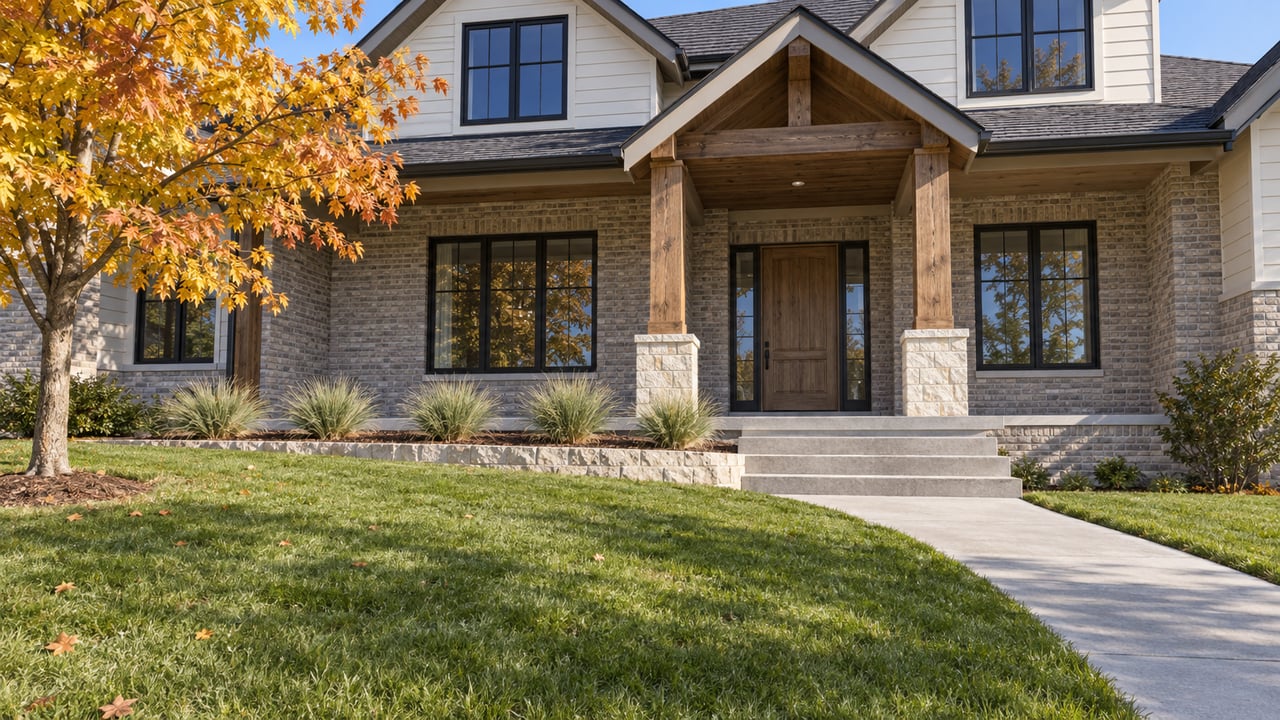
That matters if you are looking for a newer or newer-feeling home. Many buyers are drawn to West Haven for exactly that reason, along with the chance to find a home in a setting that often feels less compressed than denser parts of the county.
Space, Density, and Daily Comfort
West Haven covers 10.64 square miles and has a population density of 1,573.8 people per square mile. That number helps explain why the city often feels like a middle ground.
You are not looking at wide-open country in every direction, but you are also not stepping into an urban environment with tight lot lines and heavy commercial concentration. For many buyers, that balance is the point.
Commuting From West Haven
For many households, commute and access can make or break a move. West Haven’s road connections are one of its strongest practical advantages. Planning and corridor materials identify I-15, I-84, and SR-126 as major regional links.
The mean travel time to work is 22.9 minutes, which gives you a helpful snapshot of everyday mobility. If you work in Ogden, commute within Weber County, or need regular access to the broader Wasatch Front, West Haven offers a location that supports those routines.
Is West Haven Car-Dependent?
West Haven is still mostly car-oriented, and that is important to know upfront. Daily errands, school runs, and many commuting patterns will likely be easier with a vehicle.
That said, transit is not absent. UTA’s FrontRunner runs from Ogden to Provo with 15 stations along its 83-mile corridor, and the West Haven Flex route F620 connects West Haven with Roy Station and Ogden Station. If you want at least some non-driving options, that regional connection adds flexibility.
Shopping and Errands Nearby
West Haven itself reads as more residential than commercial, so many shopping and service needs extend into nearby communities like Ogden and Riverdale. For many residents, that is simply part of the routine.
Nearby options highlighted in the area include shopping around Historic 25th Street and Newgate Mall. In practice, West Haven can work well if you are comfortable living in a quieter residential setting while relying on surrounding areas for a wider mix of stores, dining, and services.
Recreation Around West Haven
If you enjoy having outdoor options nearby, West Haven benefits from its location near a range of regional recreation spots. Area highlights include the Ogden Nature Center, the Weber River Bottoms trail system in Riverdale, the Ogden River Parkway, a kayak park, and a large section of the 26-mile Centennial Trail.
That gives you access to walking, biking, paddling, and general outdoor time without needing to go far. For buyers who want everyday livability with room to get outside, that can be a real plus.
Access to the Mountains
Another part of the regional lifestyle is mountain access. According to area tourism information, three ski resorts are about 20 minutes from downtown Ogden.
If outdoor recreation plays a role in where you want to live, West Haven keeps you within reach of those bigger Northern Utah lifestyle benefits. You may not live in a mountain town, but you are close enough to take advantage of what the region offers.
A City Still Taking Shape
West Haven is not standing still. Local planning activity has included discussion of a Parks, Open Space, Recreation, and Trails Plan, with topics such as park gap analysis, recreation review, signage standards, and funding needs.
That suggests a city preparing for continued growth and thinking carefully about how residents will use parks, trails, and open space over time. For buyers, that is useful context. You are not just buying into what West Haven is today, but also into how it is being shaped for the future.
Who West Haven May Fit Best
West Haven may be a strong fit if you want a quieter western Weber County setting with easier access to Ogden and major highways. It can also make sense if you prefer newer subdivisions or newer-feeling homes and want a community that still offers some extra elbow room.
This area may especially appeal to buyers who value space, a more residential atmosphere, and regional convenience over a walkable urban environment. That does not mean it is the right fit for everyone, but it does help explain why interest in West Haven has grown so quickly.
Questions to Ask Before You Move
Before deciding if West Haven is right for your next move, it helps to think through how you actually live day to day. A few questions can bring clarity:
- Do you want a quieter residential setting more than a dense mix of shops and services nearby?
- Are newer homes or newer subdivisions high on your wish list?
- Will access to I-15, I-84, and Ogden make your weekly routine easier?
- Are you comfortable with a community that is still growing and evolving?
- Do you want a location that feels less built-out than core city areas?
Your answers can tell you a lot about whether West Haven matches your priorities.
Why Local Guidance Matters
In a fast-changing area like West Haven, neighborhood-by-neighborhood insight can make a big difference. Newer subdivisions, zoning changes, and shifting land use can affect everything from inventory choices to how a home fits your long-term plans.
If you are comparing West Haven with other Weber County options, it helps to work with someone who understands the local market in practical terms. That way, you can weigh not just the home itself, but also the lifestyle, access, and future growth around it.
If you are thinking about a move in West Haven or anywhere in Northern Utah, Justin Scott can help you compare options, understand the local market, and move forward with clarity and confidence.
FAQs
Is West Haven a rural or suburban area?
- West Haven is best described as a community between rural and suburban, with open-space elements and lower-density housing alongside ongoing residential growth.
Is West Haven growing quickly?
- Yes. The U.S. Census Bureau estimates West Haven’s population at 25,627 in 2025, which is up 53.2% from the 2020 census.
What kind of homes are common in West Haven?
- West Haven is primarily a single-family, owner-occupied market, with 71.3% of homes owner-occupied and ongoing development that includes newer subdivisions and zoning updates.
How is the commute from West Haven, Utah?
- West Haven has solid regional road access through I-15, I-84, and SR-126, and the mean travel time to work is 22.9 minutes.
Does West Haven have public transit options?
- Yes, though the area is still mostly car-oriented. UTA’s West Haven Flex route F620 connects to Roy Station and Ogden Station, and FrontRunner offers broader regional rail service.
Are shopping and recreation close to West Haven?
- Yes. Many shopping, dining, and recreation options are nearby in Ogden and Riverdale, including trails, river access, and regional outdoor attractions.