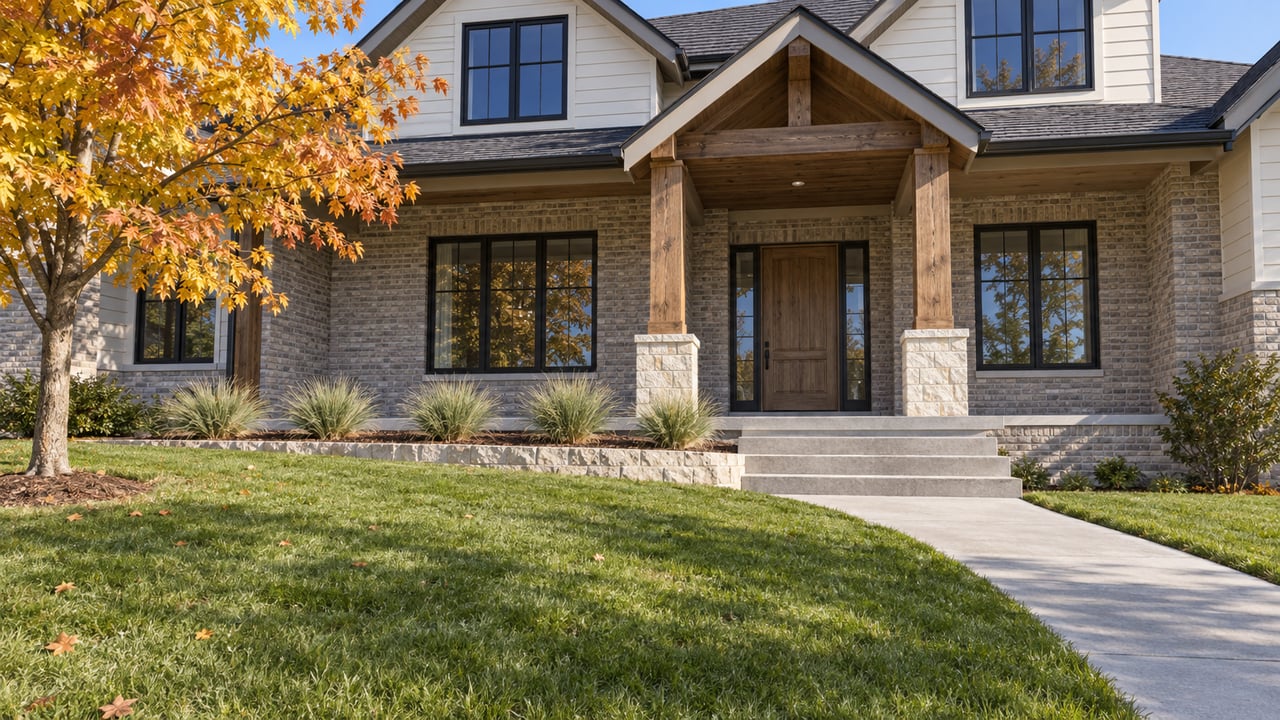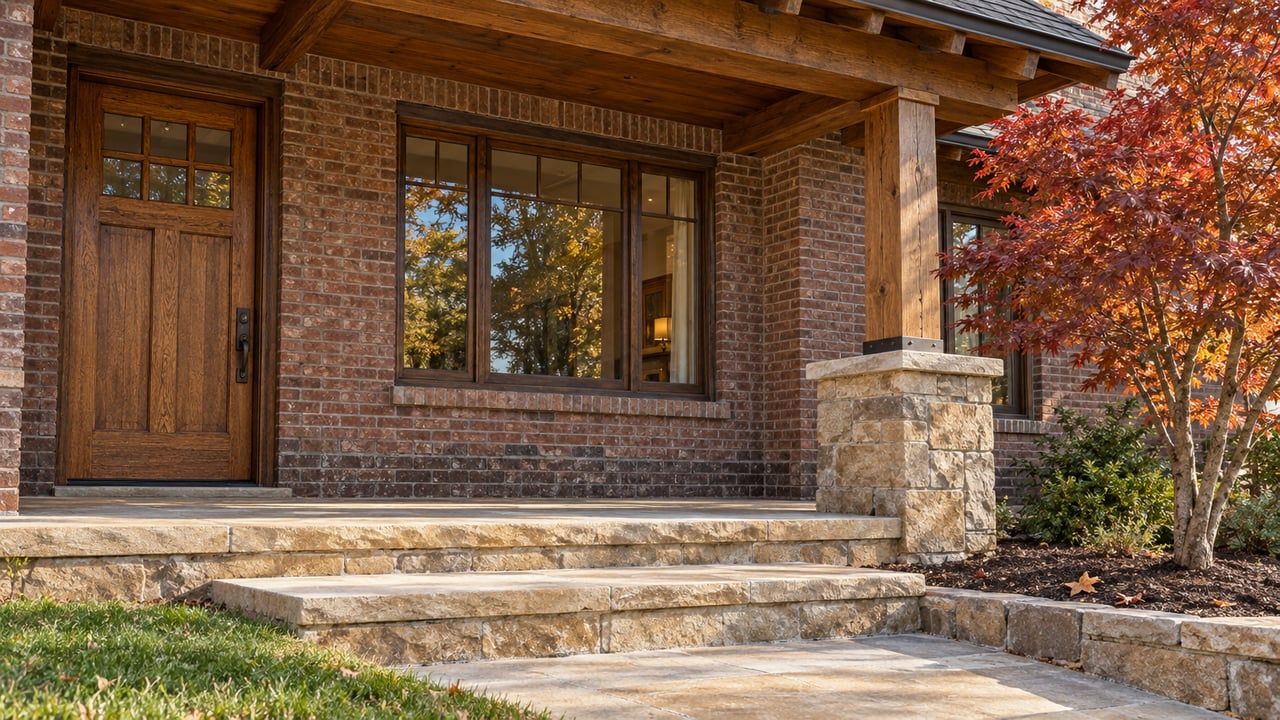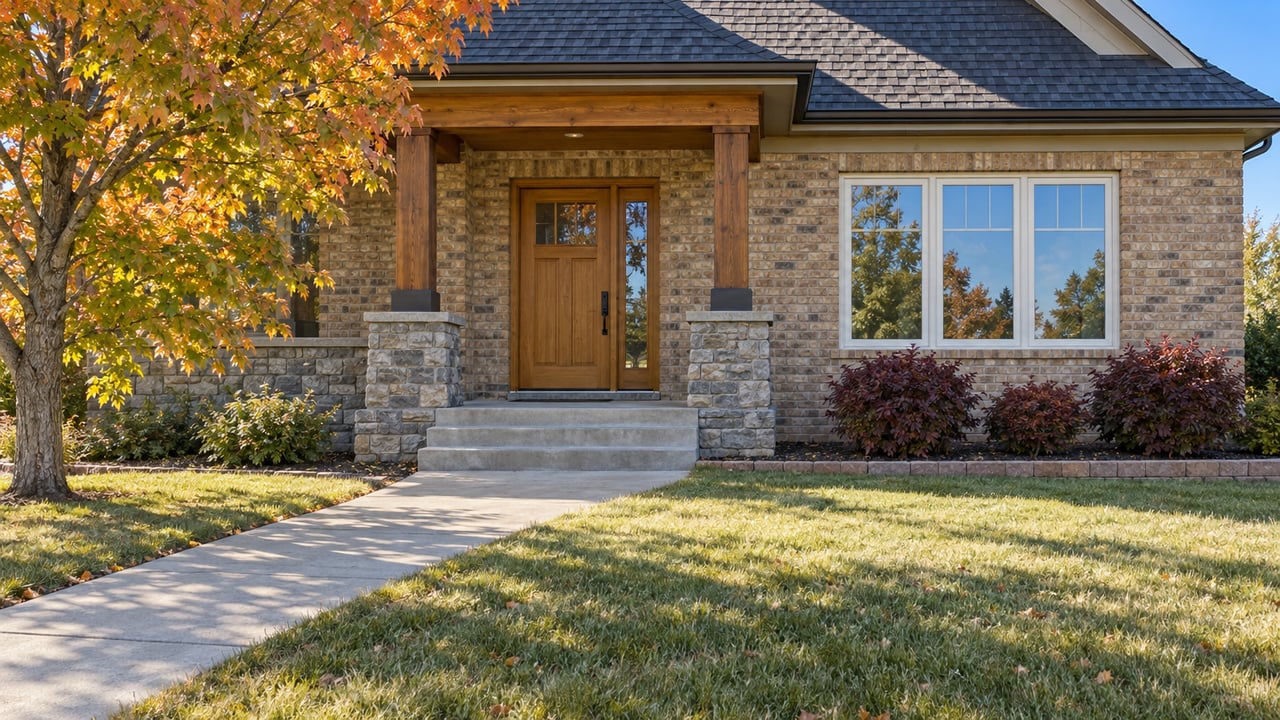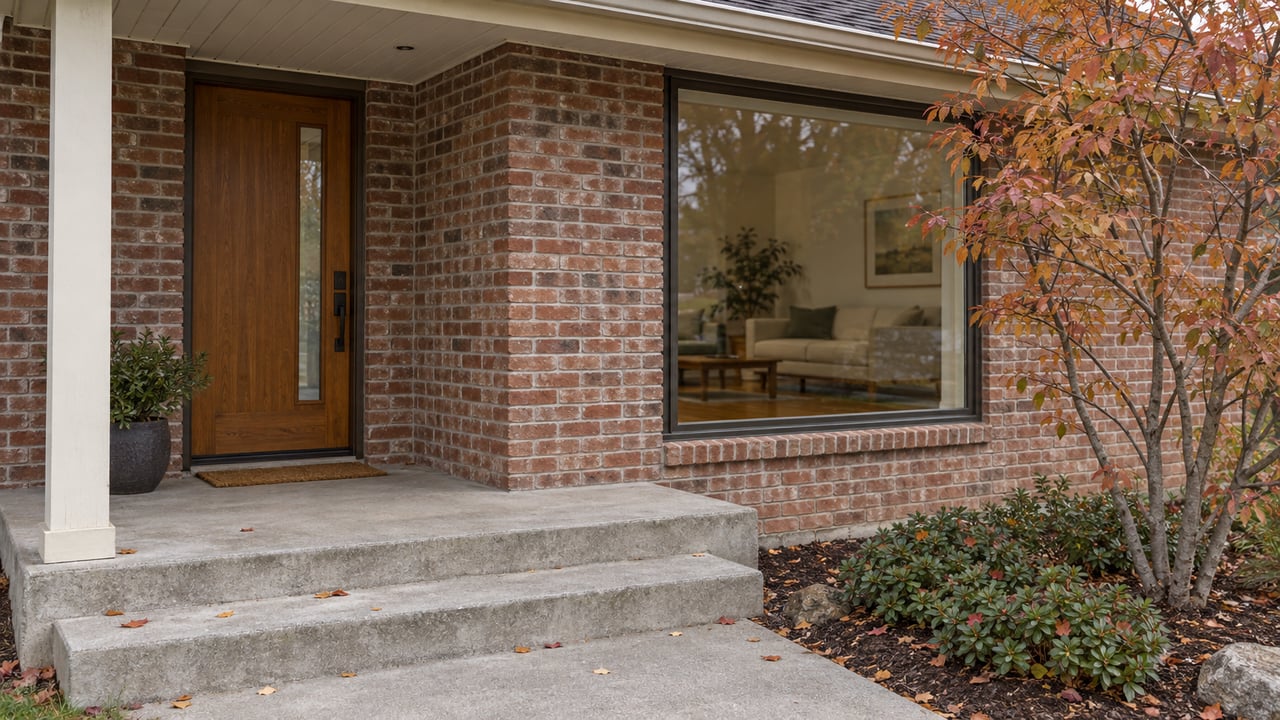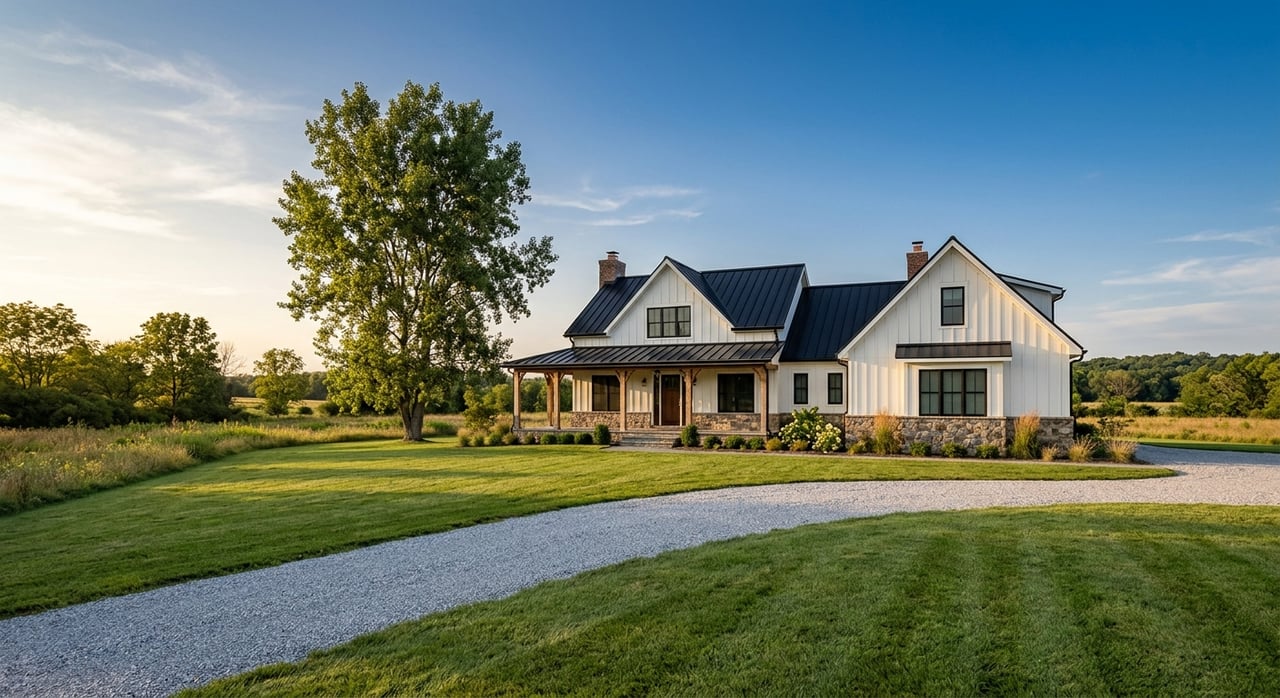
If you have been craving a little more elbow room, a quieter daily pace, and views that feel bigger than your to-do list, Hooper may be worth a closer look. In a fast-changing market, many buyers are not just shopping for a house. They are looking for space to live differently. This guide will help you understand why Hooper stands out in Weber County and what makes its open, low-density setting so appealing. Let’s dive in.
Why Hooper Feels So Open
Hooper is not a compact town packed tightly together. It is a geographically spread-out city with an estimated 9,741 residents across 26.10 square miles, and the 2020 population density was 348.1 people per square mile. Those numbers help explain why everyday life here can feel less crowded than in denser parts of Weber County.
The city’s land pattern also shapes that sense of openness. Hooper’s 2022 General Plan describes a community with significant open space, wetlands, agricultural land, and natural areas. Residential development has mainly centered on single-family homes, often on larger lots.
That local vision appears to match what many residents want. In the city’s General Plan survey, 80% of respondents said single-family homes on larger lots should be encouraged, and 77% said growth was happening too fast. If you are looking for a place where space is still part of the community identity, that matters.
Larger Lots Shape Daily Life
One of the biggest draws in Hooper is the variety of home-and-land setups. According to the General Plan, west-side parcels often range from about one to five acres, while some parts of the city still include quarter-acre and third-acre lots. On the east side, most lots are under one acre, which still supports a more spread-out feel than many suburban neighborhoods.
The city’s zoning standards reinforce that pattern. R1 zoning requires a minimum lot size of 40,000 square feet, R2 requires 20,000 square feet, and R3 requires 13,000 square feet. There is also a Residential Open Space zone built around a base density of one dwelling per acre or 40,000-square-foot lots.
In practical terms, that can create room for features buyers often want but cannot easily find elsewhere. Depending on the property, you may have more flexibility for a larger yard, a garden, extra parking, outdoor gathering space, or simply more separation from neighboring homes. That is a major part of Hooper’s appeal.
A Strong Ownership Mindset
Hooper also stands out as a place where ownership is the norm. The Census Bureau reports a 96.3% owner-occupied housing rate, which points to a market shaped more by long-term homeowners than by frequent turnover. For buyers, that can signal a community where many residents have put down roots.
The broader household data supports that picture. The average household size is 3.6 people, and 33.3% of residents are under 18. While every household is different, those numbers show a city with many established households choosing to live here over time.
Population has grown too, from 9,087 in the 2020 census to an estimated 9,741 in July 2025. Even with that growth, Hooper still reads as low-density and residential rather than busy and compact.
Hooper’s Agricultural Roots Still Matter
Hooper’s spacious feel is not an accident. It is closely tied to the city’s history and long-standing land use pattern. Hooper’s official history notes that the area was explored in 1843, used for cattle in 1854, and known for crops like sugar cane, corn, alfalfa, and fruit trees.
That agricultural identity still shows up in the present-day landscape. The General Plan describes Hooper as historically agricultural and rural, and city code includes an agricultural protection overlay intended to protect agricultural uses from nuisance pressure. For buyers who appreciate a more rural edge to everyday living, that context helps explain why Hooper feels different.
The city’s long-running Tomato Days tradition also reflects that local character. It is a reminder that Hooper is not just a place with larger lots. It is a place with a strong sense of continuity.
Room for Gardens and Animals
For some buyers, extra land is not just about privacy. It is about how you want to use the property. Hooper’s ordinances specifically regulate livestock in eligible districts, and the rules state that a minimum of 20,000 square feet is required to qualify.
The ordinance’s livestock definition includes horses, cattle, sheep, goats, chickens, ducks, geese, and more. That does not mean every property will allow every use, since zoning and specific property conditions still matter. Still, it helps show why Hooper attracts buyers who want space for gardening, animals, or a more hands-on outdoor lifestyle where allowed.
If that kind of setup is part of your search, local guidance matters. Understanding the property, zoning, and intended use upfront can save you time and reduce surprises later.
Big Sky, Wetlands, and Open Views
Hooper’s natural setting adds another layer to its appeal. The city’s General Plan points to agricultural land, wetlands, open space, parks, and trails as defining features. Even when you are close to everyday essentials in Weber County, the landscape here often feels broader and less built out.
One of Hooper’s signature natural assets is the Ogden Bay Waterfowl Management Area. The General Plan says it covers almost 20,000 acres in and around the Weber River Delta on the Great Salt Lake, with more than 250 species documented, including nesting and migratory birds.
The Great Salt Lake itself is also central to the area’s identity. Utah’s Great Salt Lake information notes that it is the largest saline lake in the Western Hemisphere and supports the highest concentration of Utah wetlands, while serving as a stopover for millions of birds during migration. For many residents, that means dramatic skies, seasonal wildlife activity, and a stronger connection to the natural landscape.
Outdoor Access Supports the Lifestyle
If you enjoy spending time outside, Hooper offers more than just nice views from the driveway. The General Plan says the city has 3 parks and 2.9 miles of trails, and it identifies demand for better trail connections and improved existing facilities. That tells you outdoor access is part of the local conversation.
The same planning document notes that Hooper’s recreational users include bird watchers, hunters, cyclists, runners, walkers, and equestrian riders. Nearby regional recreation also expands your options. Willard Bay State Park offers boating, swimming, water skiing, and fishing, and Great Salt Lake State Park provides marina access and public viewpoints.
Fremont Island adds another unique piece to the picture. Hooper’s history page says the island is included in the city’s boundaries, and the General Plan describes it as about 3,000 acres, state-owned, and protected by a conservation easement. You may not choose Hooper for one feature alone, but together these natural assets create a lifestyle that feels distinctly Northern Utah.
What Buyers Should Know About Hooper Homes
Hooper is especially appealing if your priorities include land, privacy, and a less urban setting. It may be a strong fit if you are looking for a detached home, more outdoor space, or property features that are harder to find in more compact neighborhoods. Buyers relocating from denser areas often notice that difference right away.
It also helps to understand that not every part of Hooper looks the same. Lot sizes, zoning, and surrounding land uses can vary from one area to another. That means your experience may differ depending on whether you want a modest yard, a larger acreage property, or land suited for specific uses.
Market context matters too. The Census Bureau reports a median owner-occupied home value of $628,500. While that is not the same as current list or sale prices, it does provide useful context for buyers planning their budget and expectations.
Why Hooper Appeals to Long-Term Buyers
For many people, Hooper is not about chasing trends. It is about choosing a home base that supports the way you want to live over time. The combination of large lots, strong owner occupancy, agricultural character, wetlands, and open views creates a setting that feels steady and distinct.
That can be especially attractive if you are moving up, relocating within Northern Utah, or searching for a home with a little more breathing room. Instead of trading space for convenience, you may be able to find a property that supports both daily function and long-term lifestyle goals.
If Hooper is on your radar, the key is to look beyond square footage alone. Pay attention to lot size, zoning, surrounding land patterns, and how you want to use the property day to day. That is often where the real value of Hooper living becomes clear.
If you want help comparing Hooper with other Weber County options or narrowing down the right type of property, Justin Scott can help you make sense of the choices with clear, local guidance.
FAQs
What makes Hooper, Utah feel more spacious than other Weber County areas?
- Hooper has a low-density development pattern, with 9,741 estimated residents across 26.10 square miles, larger lot zoning, open space, wetlands, and agricultural land that all contribute to a more spread-out feel.
What types of lot sizes can you find in Hooper, Utah?
- According to Hooper’s General Plan, some areas include quarter-acre and third-acre lots, east-side lots are often under one acre, and west-side parcels commonly range from about one to five acres.
Can you keep livestock on property in Hooper, Utah?
- Hooper’s ordinance allows livestock in eligible districts, and it states that at least 20,000 square feet is required to qualify, with livestock definitions that include animals such as horses, cattle, sheep, goats, chickens, ducks, and geese.
Is Hooper, Utah mainly a homeowner community?
- Yes. The Census Bureau reports that 96.3% of Hooper housing units are owner-occupied, which suggests a market shaped largely by long-term ownership.
What outdoor recreation is available near Hooper, Utah?
- Hooper has parks, trails, wetlands, and access to regional recreation tied to Ogden Bay, the Great Salt Lake, Willard Bay State Park, and Great Salt Lake State Park, with activities that include walking, cycling, bird watching, boating, fishing, and swimming.
Why do buyers choose Hooper, Utah for lifestyle properties?
- Buyers are often drawn to Hooper for its larger lots, quieter low-density setting, agricultural character, open views, and property options that may better support gardens, outdoor living, or animal uses where allowed.